How Smart Technology Is Transforming the Modern Garden
British gardens are going digital. From automated irrigation systems that respond to weather forecasts to sensors that monitor soil health in real time, the traditional potting shed is starting to resemble a tech startup's office. According to recent industry figures, nearly one in four UK households now uses at least one form of smart garden technology, a figure that's doubled since 2020.
The shift isn't just about gadgetry for its own sake. Gardeners are finding practical solutions to age-old problems, from unpredictable weather patterns to time constraints. Some enthusiasts have even found unexpected crossovers between their hobbies, with outdoor entertainment spaces becoming multifunctional zones where technology serves multiple purposes. Take those who enjoy watching live sports outdoors, for instance. For some fans, following the action also means keeping track of betting markets and live odds as a tournament develops. Modern garden setups increasingly accommodate screens and connectivity for everything from streaming matches to checking golf betting sites during major tournaments. It's a reminder that gardens are no longer purely horticultural spaces but extensions of our connected lives. That said, the real transformation is happening at ground level, where sensors and automation are changing how we cultivate plants.
Smart Irrigation That Actually Thinks
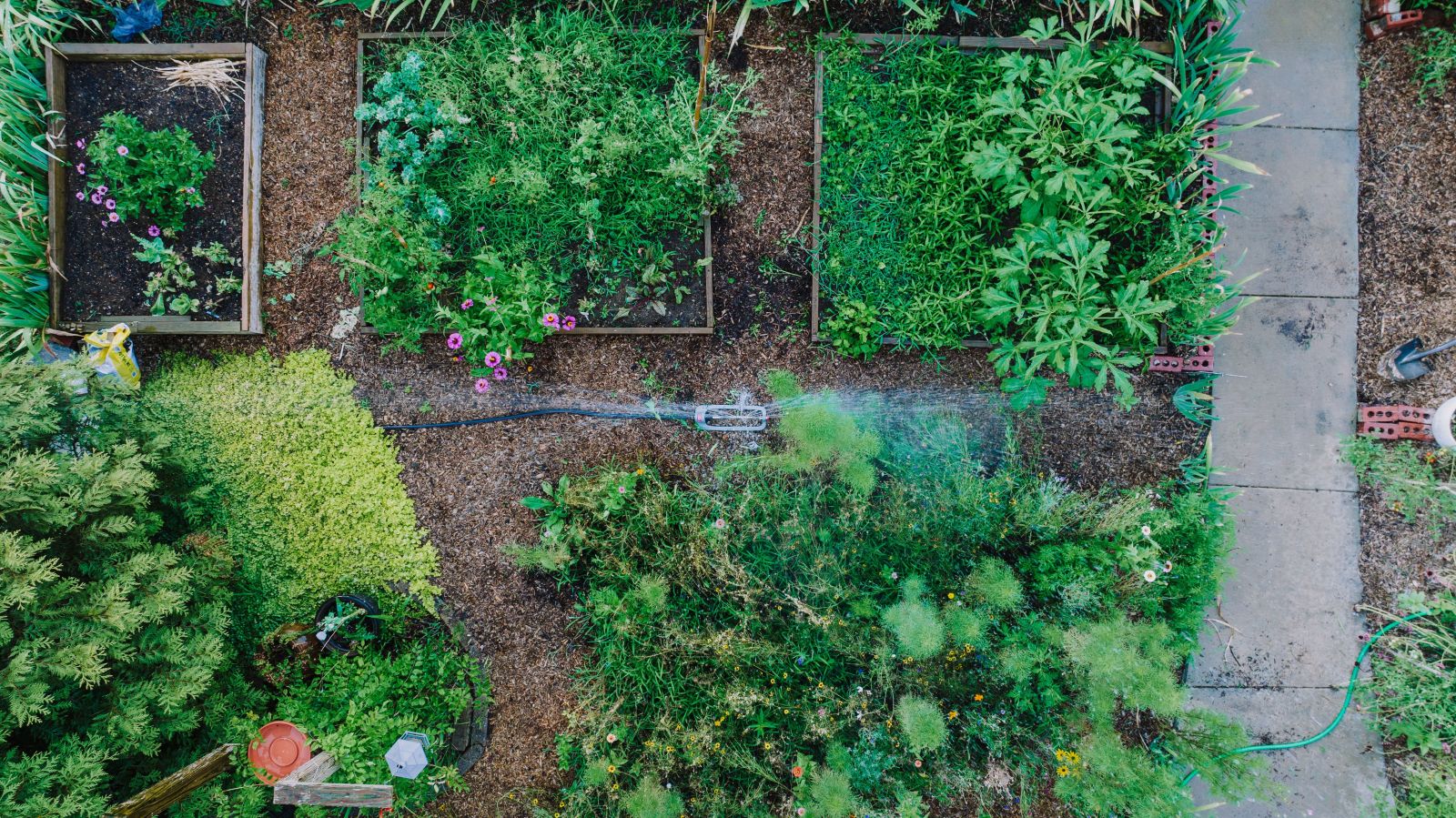
Traditional sprinkler timers operate on blind faith. You set them for Tuesday mornings and hope it doesn't rain. Smart irrigation controllers have changed that equation entirely. These devices pull data from local weather stations, adjust watering schedules based on forecasts, and monitor soil moisture through wireless sensors buried in your beds.
A system installed in a suburban Birmingham garden last spring reduced water consumption by 38 per cent compared to the previous year, according to the homeowner's utility bills. The controller delayed watering cycles when rain was predicted and increased them during an unexpected July dry spell. This approach aligns perfectly with expert guidance on efficient water management, helping British gardeners conserve resources while maintaining healthy plants. The technology isn't cheap, with decent systems starting around £150, but the water savings add up over seasons.
Monitoring Without the Guesswork
Soil sensors have become surprisingly sophisticated. Modern versions measure not just moisture but pH levels, nutrient content, and ambient light. They transmit readings to smartphone apps that can track trends over weeks or months, revealing patterns that would be invisible to even experienced gardeners.
One allotment holder in Leeds discovered through sensor data that her tomato plants were receiving adequate water but suffering from nitrogen depletion. The readings prompted a targeted feeding regime that salvaged what had looked like a failing crop. The sensors cost £40 each, a modest investment compared to the value of the harvest they helped protect.
Robotic Mowers and Automated Maintenance
Robotic lawnmowers have moved beyond novelty status. Current models navigate complex garden layouts, return to charging stations autonomously, and operate quietly enough not to disturb neighbours. Some higher-end versions can be programmed to mow in specific patterns or avoid designated wildflower areas.
The limitations remain real, though. Gardens with steep slopes or numerous obstacles still challenge these machines, and the initial setup requires careful boundary wire installation. But for straightforward lawns, they've proven reliable enough that many users report forgetting they own them, only noticing when the grass stays perpetually trimmed.
Lighting That Responds to Movement and Time
Smart outdoor lighting extends garden usability into evening hours while enhancing security. Motion-activated systems illuminate pathways when someone approaches, then dim after a set period. Colour-changing LED strips can transform a patio's atmosphere for entertaining, controlled entirely through voice commands or apps.
The environmental benefit matters too. LED technology uses a fraction of the energy that older halogen systems consumed, and scheduling features prevent lights from running unnecessarily through the night.
The Learning Curve Ahead
Not every smart garden device lives up to its marketing promises. App connectivity can be frustrating when software updates break functionality, and some systems require more technical knowledge than manufacturers admit. Battery-powered sensors need regular replacement, adding maintenance that partly defeats their convenience.
Yet the trajectory seems clear. As devices become more reliable and affordable, the connected garden will likely become standard rather than exceptional. The question isn't whether technology will continue reshaping how we garden, but which innovations will prove genuinely useful versus which will fade as expensive experiments.