How to Identify Root Rot in Plants
Root problems often go unnoticed until the plant begins to wilt. Knowing how to identify root rot in its early stages can save you from buying a diseased plant. Damp soil may appear harmless. However, the roots may already be experiencing a lack of air. Leaves may wilt, stems may soften, and growth may stop.
In order to identify root rot in plants, inspect the lower part of the stem, check the soil moisture, and examine the root ball. Healthy roots feel firm and retain compost, while damaged roots are dark, soft, or loose. A visual and tactile inspection will help you choose plants that will settle in well at home. If you are not sure whether what you are seeing points to root rot, you can use AI chat to match the symptoms against common plant problems in seconds.
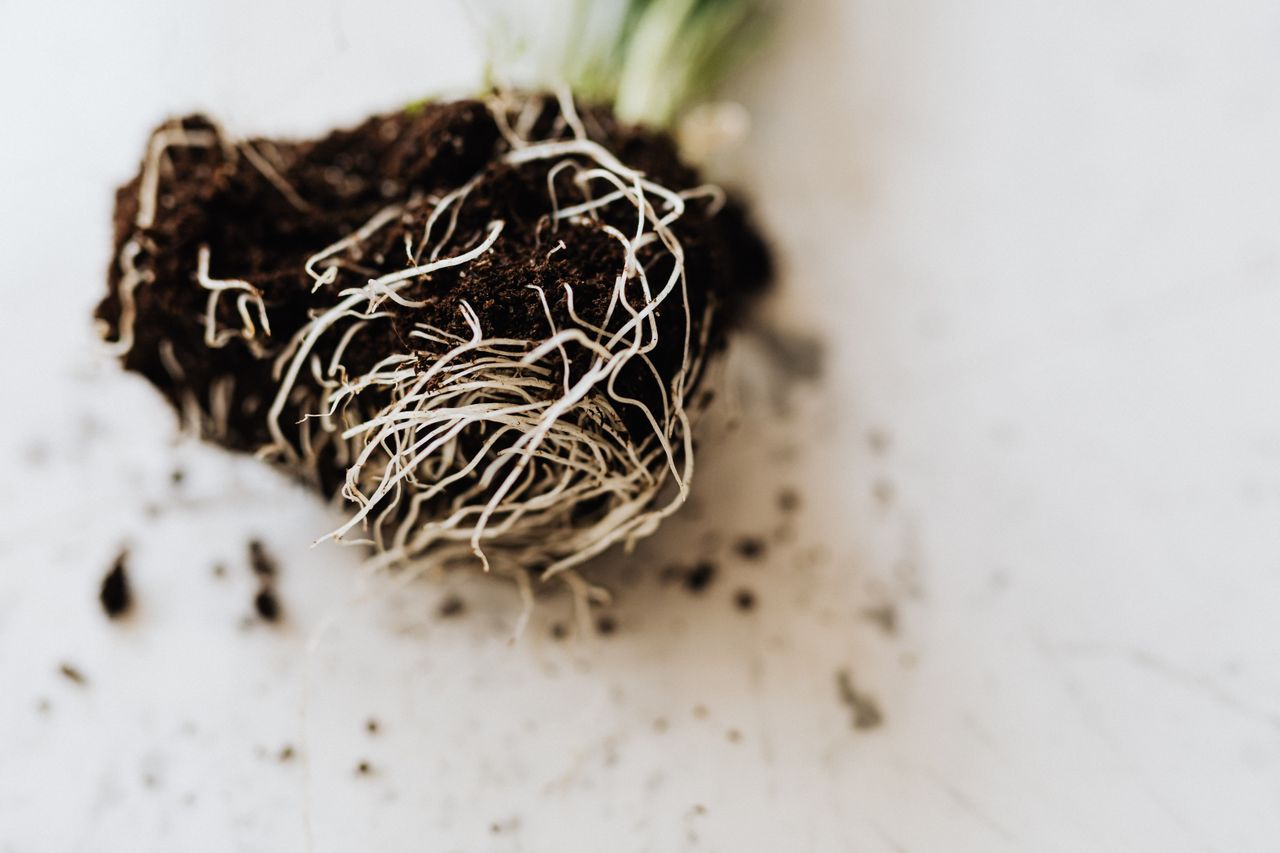
5 Signs of Root Rot to Observe
Damage rarely appears without warning. You may notice the first signs of root rot above the soil surface. Here are the most common signals:
-
New shoots stop growing. New stems remain short or fail to emerge. This means the plant does not have enough energy for new growth.
-
The plant wilts in wet soil. This may happen even if the compost is still moist. The reason is that roots cannot move enough water upward.
-
Leaves lose their normal color. Root rot leaves may appear dull rather than fresh. Lower leaves often begin to yellow while the soil remains wet.
-
Older leaves fall early. Leaves may fall without drying first — this indicates poor growth function.
-
Stems soften at the base. The lower portion of the plant may lose its elasticity. This often occurs after prolonged periods of excess moisture.
These root rot signs alone don't always indicate the problem. When several changes appear simultaneously, it's time to inspect the plant thoroughly.
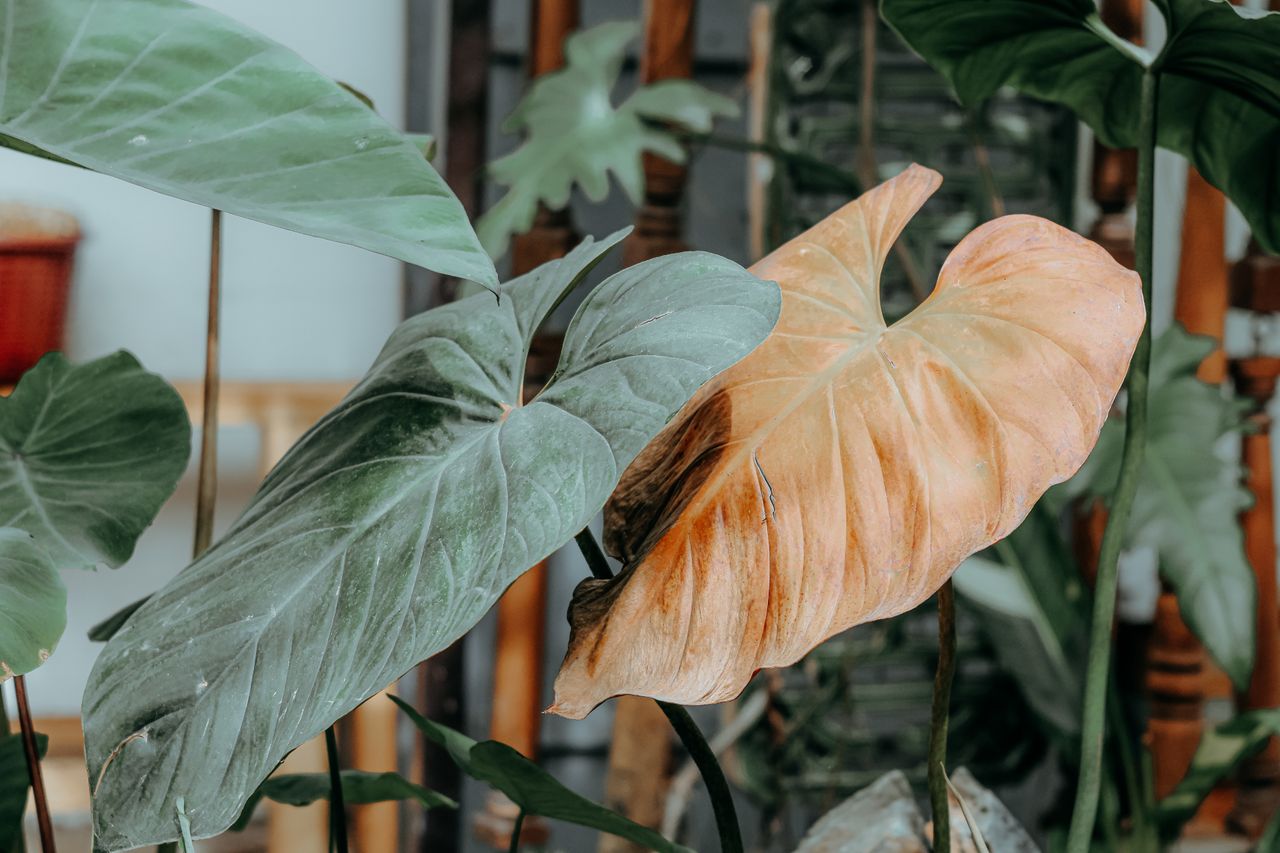
Root Rot Symptoms That Manifest Above the Soil Line
Keep in mind that damage becomes visible above the soil surface even before you examine the root ball. These changes are easier to notice if the watering regime is consistent. The following root rot symptoms deserve close attention:
-
Lower leaves turn yellow first. The color change usually begins at the base and progresses upward.
-
Healthy buds drop. Buds may drop before they open — this occurs because the plant is unable to support new growth.
-
The root collar begins to wilt. Leaves droop, even when the compost is still moist.
-
Growth becomes uneven. One side may slow down, while the other appears normal for a while.
-
Leaf edges dry out. Parts of the leaves lose moisture, even though there is still enough water in the pot.
These symptoms indicate that the fine water channels of the plant have stopped functioning. It can no longer absorb liquid, even if you water thoroughly.
How to Check for Root Rot Easily and Gently
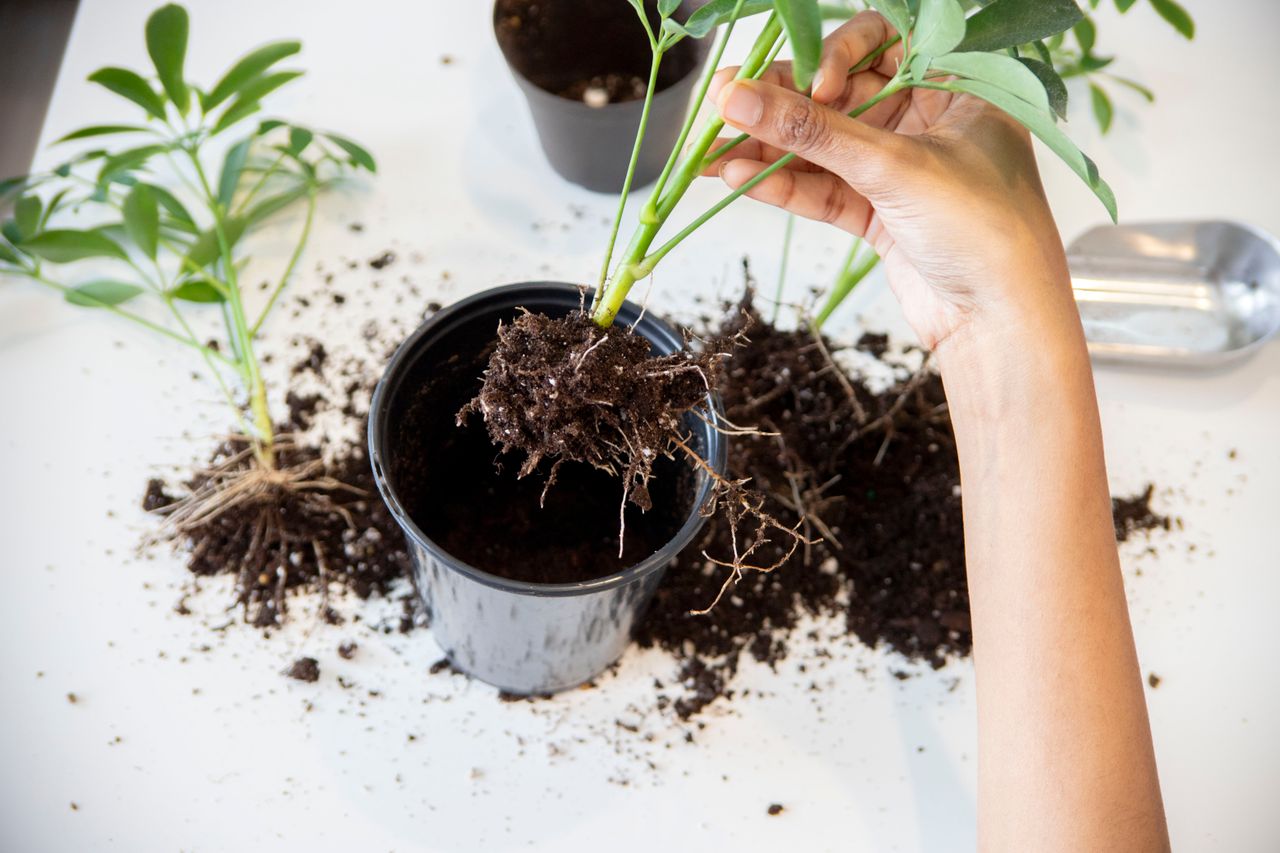
To inspect your plant, you don’t need to repot it. Work slowly and keep the root ball intact. Here is how to check for root rot in a few simple steps:
-
Support the base of the stem. Hold the plant where the stems meet the soil. Do not pull on the leaves.
-
Tilt the pot. Turn the container sideways, and support the soil with your free hand.
-
Slide the pot. Squeeze the plastic sides and carefully remove the container. Do not shake or damage the compost.
-
Inspect the outer roots. Inspect the edges and base. Check the color, texture, and odor.
-
Return the plant. Carefully place it back if the underground part of the plant looks healthy.
Healthy capillary roots look light in color and feel firm — they hold the soil ball together. Damaged ones are soft and may break apart with little pressure. For more information about your plant, visit the Botan blog, where you can find many other topics about plant care.
How to Prevent Root Rot Through Optimal Drainage and Pot Selection
Good soil drainage gives the whole plant enough air between watering sessions. Pots with several drainage and ventilation holes reduce the chance of water collecting. This simple habit contributes to stronger growth from the start.
If you want to know how to prevent root rot, first check the pot, soil, and plant before bringing it home — here is a simple guide.
|
Visual Check |
Premium Healthy Indicator |
Moisture Stress Warning |
Recommended Action in Nursery |
|
Foliage Status |
Firm, bright, actively growing leaves |
Soft, yellowing baseline leaves |
Opt for specimens with firm growth |
|
Stem Base |
Crisp, solid green or natural bark |
Discolored, soft, or water-soaked |
Choose stems with strong structural integrity |
|
Soil Scent |
Clean, rich, earthy forest smell |
Heavy, sour, or stagnant water aroma |
Move to a different plant on the bench |
|
Root Plumpness |
Plump, snaps cleanly, white/tan color |
Dark, soft, outer sheath slips away |
Select roots that are firm and bound |
|
Nursery Pot |
Lightweight, aerated drainage holes |
Heavy, standing in stagnant runoff water |
Drain excess water before taking to counter |
How to Fix Root Rot During the Home Acclimation Process
Sometimes problems arise after you bring the plant home. Knowing how to fix root rot early can prevent further damage and improve the chances of recovery. Follow this simple rescue plan:
-
Slowly remove the plant from its transport pot.
-
Shake off any damp peat, and do not pull on the roots.
-
Rinse the root system with cool water to remove loose soil.
-
Use clean, sterile pruning shears to trim away soft or damaged sections.
-
Stop pruning when only firm tissue remains.
-
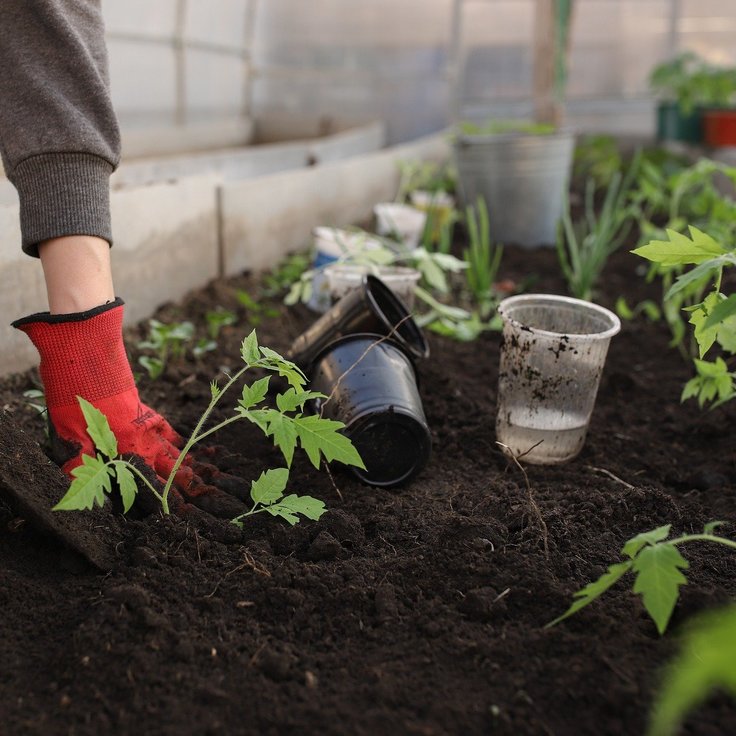
Repot the plant in fresh, well-drained soil and water lightly.
This plan works well for most plants. For example, the Pink Crinum recovers well if healthy roots remain after pruning. Give the plant time to settle, avoid overwatering, and allow it to breathe in its new pot.
How to Get Rid of Root Rot Risks with Correct Aeration Substrates
The right potting mix plays an important role in daily plant care. So, how to get rid of root rot and what to do first? Provide soil that lets air circulate around the underground part of the plant. A dense soil mix holds water for too long and limits airflow. A porous mix drains faster and supports steady moisture levels. These materials improve drainage:
-
Vermiculite. Holds some moisture and leaves small air spaces between particles.
-
Perlite. Helps excess water drain away and keeps the mix loose.
-
Coconut fiber. Improves air circulation and prevents compaction of the substrate.
These materials reduce the risk of standing moisture in the pot. They also help the plant receive enough oxygen between watering sessions.
Conclusion
Root rot often begins without visible signs, but prompt inspection is crucial. Monitor the leaves, inspect the soil, and use pots with proper drainage. Choose a loose potting mix and avoid overwatering the compost. Small care measures today can prevent more serious problems in the future.