Why Transparent Balustrades Are Trending in Modern Gardens now
Garden balustrades used to focus on one job, marking edges and keeping people safe. Now many homeowners want them to do more, especially in outdoor spaces used for dining and relaxing. Transparent balustrades fit that shift because they protect space without blocking light or the view.
In smaller gardens, every visual break matters. Heavy rails and solid screens can make a patio feel cut off from the rest of the plot. Clear materials keep sightlines open, so a deck or terrace often seems larger than it is.
Why Clear Edges Feel So Modern
Open Views Stretch Small Spaces
Solid barriers create a clear stop point, and the eye reads that stop as the end of the usable area. A transparent edge lets surfaces, pots, and borders stay in one picture.
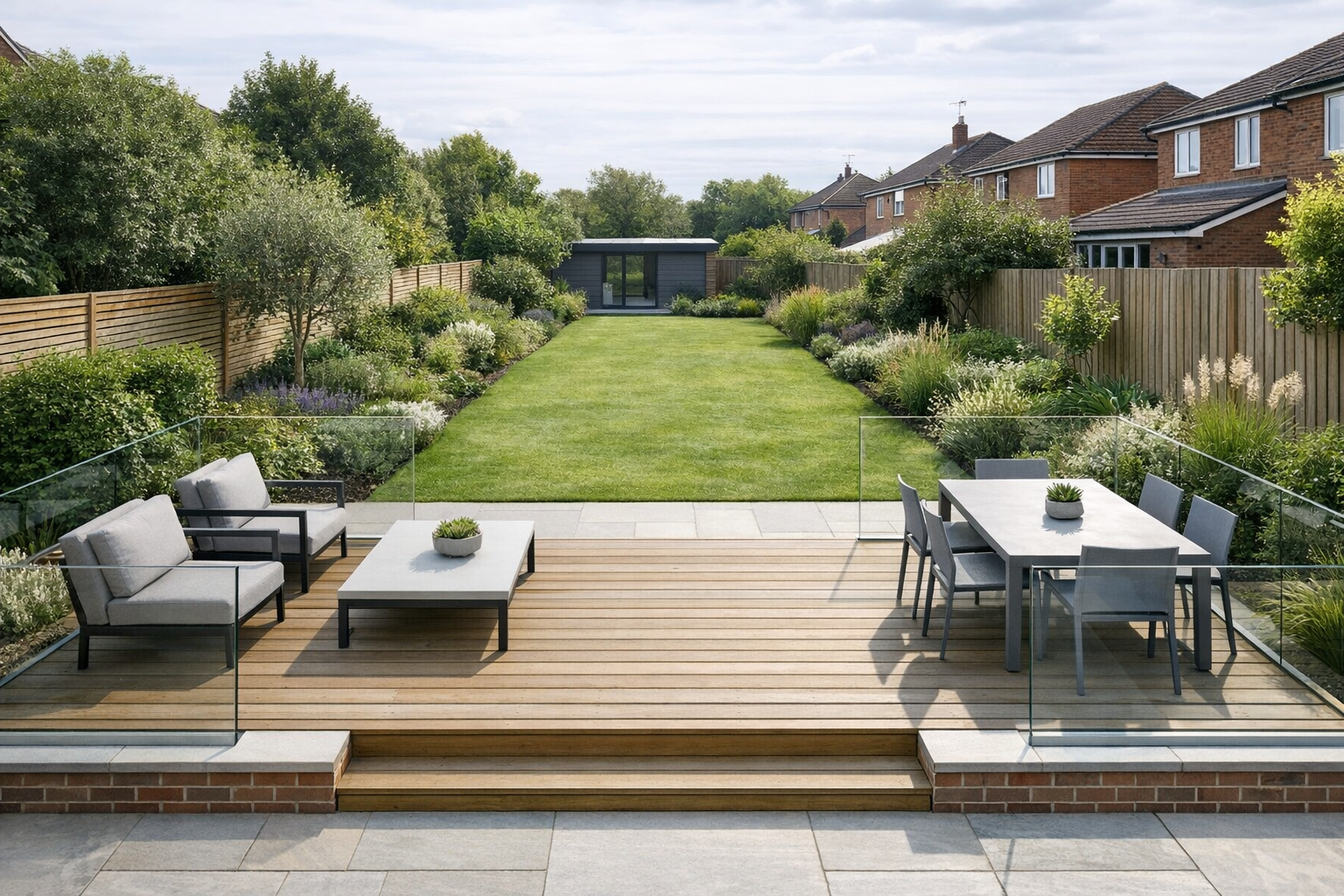
The effect stands out most on raised patios and steps. For example, a glass balustrade can guard an edge while letting paving and planting stay visible together. Sunlight passes through as well, which helps the space feel bright rather than boxed in.
This trend is not only about style. It also reflects how people now use gardens, with seating, planting, and paths working together as one space. When the eye can travel easily, the whole garden feels calmer and more connected.
The Best Places to Use It
Some locations benefit more than others. The clearest gains appear where a solid barrier would split the garden in two, and practical guidance on guardrail safety helps inform appropriate choices. That often happens around changes in level or tighter outdoor rooms. These spots usually show the effect most clearly. They also make the garden easier to read immediately.
Raised terraces keep views open from the house to the lawn, which makes the whole garden feel longer. Deck steps and landings stay safer to use, yet they do not create a heavy visual block through the middle of the plot. Courtyard patios gain a lighter edge, so pots, seating, and surrounding walls feel less crowded.
The idea can also work beside water, gravel, or a garden room. However, it looks strongest when the view beyond has something worth seeing. Good planting still does much of the hard work.
Privacy, Safety, and Everyday Use
Clear boundaries do not suit every corner. In a fully exposed plot, some people still want shelter from neighbours or wind. A mixed approach often works best, with solid screening in one area and open edges in another.
Safety also needs attention, especially on raised decks or steps. Before changing a boundary, checking UK’s decking planning guidance on the Planning Portal can help clarify when extra rules may apply. That simple check can prevent design changes later.
Day to day upkeep matters as well. A few practical checks make the look easier to live with. Think about glare at different times of day, especially if the boundary faces strong afternoon sun. Plan for cleaning access, because clear panels show fingerprints, splash marks, and dust more quickly than painted timber. Use planting for softness and privacy, with tall grasses or shrubs placed nearby rather than directly in front.
The best results feel intentional, not sparse. Clean lines need balance from texture, colour, and seasonal growth. When those pieces work together, the boundary fades and the garden takes centre stage.
A Lighter Way to Frame Gardens
Transparent boundaries have grown popular because they solve two problems at once. They keep important edges protected while helping outdoor spaces feel open. That mix of function and simplicity suits the way many gardens are used today.
The look works best when it supports the layout, the planting, and everyday routines. It is less about following fashion and more about removing visual clutter. The best boundary protects the space and lets the garden speak for itself.