How Glass Balustrades Extend Garden Evenings
Have you noticed how many British gardens have quietly stopped switching off at dusk? Not so long ago, the end of the day meant heading indoors, pulling the curtains and leaving the patio to the slugs. These days, something rather different is happening. Homeowners are stringing up warm lighting, firing up the barbecue well past sunset and treating the garden as a proper leisure room rather than a fair-weather afterthought. At the heart of this shift sits an unassuming design feature: the transparent balustrade. And the moment gardens became genuine evening spaces, they also became places for a broader kind of relaxation, from an alfresco supper under the stars to a quiet hour with a book on the deck.
That last point deserves a moment. As gardens turn into all-season leisure zones, the same adults settling into a cushioned outdoor sofa often reach for their phones to unwind, and licensed casino games have become a popular part of that evening wind-down. For anyone curious about how the regulated market compares, Gambling Insider's guide reviews the best UK operators for 2026, weighing up welcome offers, wagering terms, withdrawal speeds and payment methods so readers can see which names are worth their attention. It is independent, focused on properly licensed operators, and useful for understanding what a trustworthy option actually looks like before committing to one.
The Quiet Appeal of Seeing Straight Through
So why glass? The answer comes down to the view. A traditional timber or metal balustrade does its job, but it also chops up the scenery. For a garden built around a raised deck, a sloping lawn or a distant tree line, that visual interruption matters. Transparent balustrades — frameless or slimline glass panels — let the eye travel uninterrupted across the borders, the water feature or the countryside beyond.
There is a practical bonus, too. Glass shelters a seating area from the wind without boxing it in, which is precisely what turns a chilly spring evening into a comfortable one. Wrap a deck in glass and suddenly the space feels usable weeks earlier in the year and long after the summer fades. That extended season is exactly what people mean when they talk about "all-season" outdoor living, and it is a big reason the look has spread from architect-designed homes to ordinary suburban gardens.
Layering the Space for Evening Use
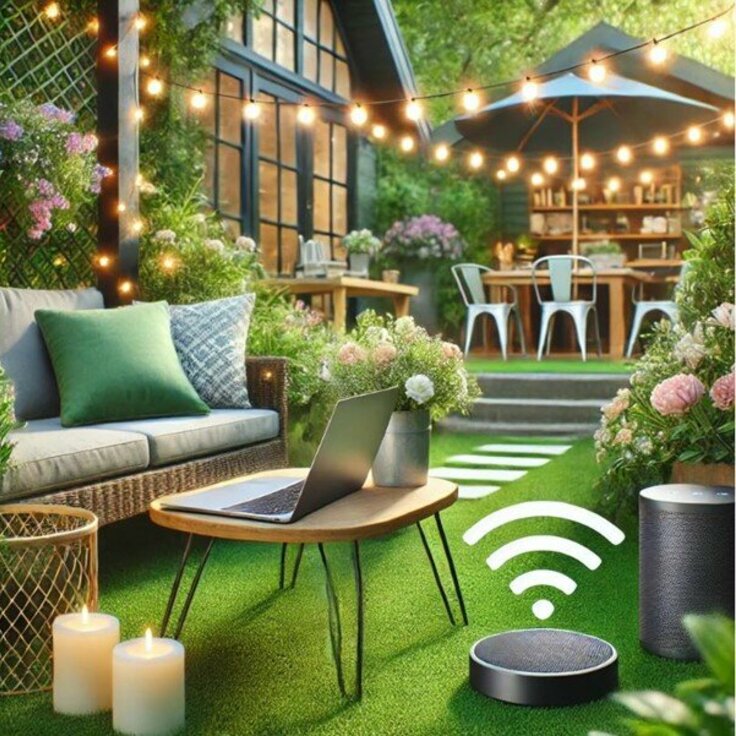
Clear sightlines are only the start. The gardens getting the most use after dark are the ones designed in layers. Lighting leads the charge: low-level path lights, festoon strings looped over a pergola, and dimmable spots tucked beneath planters all help the space glow rather than glare. A fire pit or a chiminea adds both warmth and a natural gathering point, while an outdoor rug and weatherproof cushions borrow the comfort of the living room and carry it outside.
Heating has become surprisingly sophisticated as well. Radiant heaters, insulated garden rooms and even outdoor-rated infrared panels mean a group can linger over a late barbecue without shivering. There is also a wellbeing dimension worth noting here, as studies into design of biophilic interior environments show how natural light, plants and organic materials can ease stress and sharpen mood. Add a covered structure — a veranda, a slatted pergola or a glass canopy — and the whole area shrugs off a passing shower. The result is a genuine second sitting room, one that happens to have stars for a ceiling.
Gardens That Do Something for the Mind
There is more to this trend than aesthetics. A well-designed outdoor space delivers a measurable lift to how people feel, which is partly why so many are willing to invest in it. Horticultural therapists have long argued that time spent among greenery calms the nervous system, and there is solid thinking behind how to create a healing garden that homeowners can borrow even on a modest plot. Soft planting, gentle water sounds and a comfortable place to sit turn a garden into a decompression chamber.
That principle of bringing nature closer runs through modern design more widely. The garden, of course, offers all of it for free. Transparent balustrades play their part by keeping that connection to greenery unbroken, so a person relaxing on the deck still feels immersed in the planting rather than penned in behind it.
The Ritual of Winding Down
What people actually do in these evening spaces is telling. Some read; others share a slow meal cooked over coals. Many simply sit in silence, and there is real value in that stillness — the same value that inspired projects like a space for meditation and mindfulness designed purely to help people switch off. A garden built for evenings offers that same permission to pause.
And plenty of that downtime is digital. After the plates are cleared, one person might scroll through a favourite drama on a tablet, another might catch up with friends, and someone else might enjoy a few relaxed spins of a game on their phone. The garden becomes the setting for whatever counts as unwinding, precisely because it has been designed to be as inviting after dark as it is at noon.
Building It Well the First Time
For anyone tempted to follow the trend, the advice from garden designers is consistent: plan the whole evening experience, not just the glass. Think about where the light falls, how the wind moves across the plot, and where people will naturally want to sit. Toughened safety glass, professionally fitted fixings and a level base are non-negotiables on any raised area. Get those foundations right, and the reward is a garden that quietly refuses to close at sunset — a leisure zone that earns its keep across every season, and a view worth staying out for.