Beginners guide: Creating stunning DIY vertical gardens
Why Vertical Gardens?
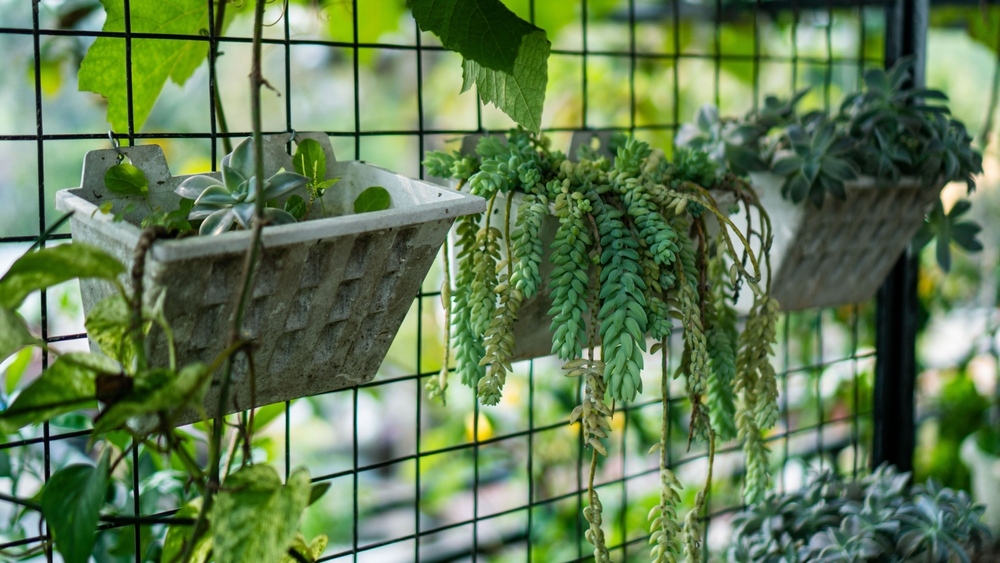
Vertical gardens, also known as living walls or green walls, are becoming increasingly popular for several reasons. Not only do they offer an innovative way to maximize limited space, but they also provide numerous benefits such as improved air quality, enhanced aesthetic appeal, and even potential food production. Additionally, vertical gardens can serve as a natural insulation layer, reducing energy consumption and creating a more sustainable environment.
Planning Your Vertical Garden
1. Choosing the Right Location
Before diving into the creation process, it is crucial to select the ideal location for your vertical garden. Factors such as sunlight exposure, access to water, and structural support should be taken into consideration. Most vertical gardens thrive in areas that receive ample sunlight, preferably a minimum of six hours per day. However, certain plant species can adapt to partial shade as well.
2. Integrating Gardening into School Curriculums
Gardening can be successfully integrated into school curriculums through practical, hands-on activities. Vertical garden projects allow students to learn about biology, environmental science, and sustainable living while developing teamwork and problem-solving skills. These projects can also inspire research assignments, and some students may choose to use a research paper writing service for additional academic support. As a result, incorporating vertical gardens into education promotes both academic learning and environmental awareness.